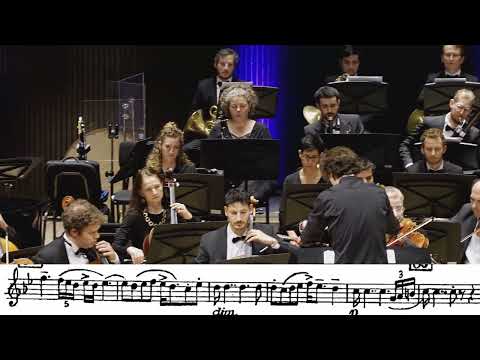
Foundations
What a glissando is made of, a warm-up exercise or two, and your first glissando.
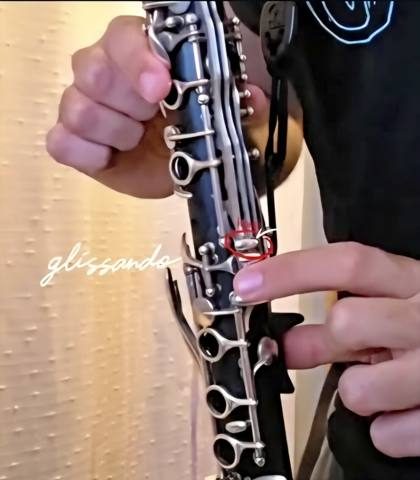
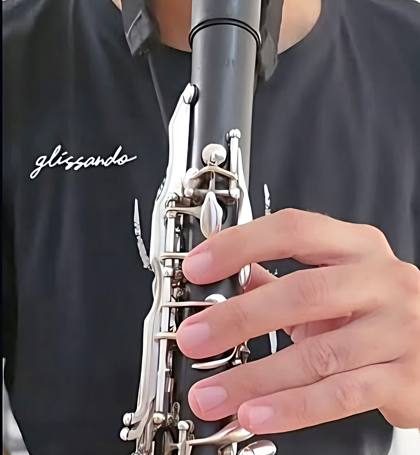
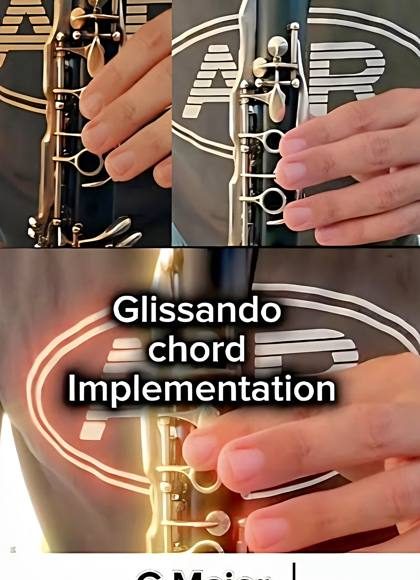
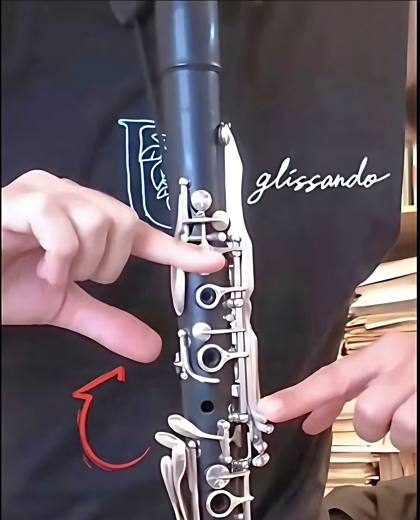
In my Instagram videos I broke the glissando into small steps: A to B, B to C, all the way to a full octave. In the course I teach it from the beginning, in four lessons, up to the opening of Rhapsody in Blue.
Four ways to work with me. Pick the one that fits where you are today.
A four-lesson online course. Lesson 1 is free by email.
See the courseOne to one on Zoom, for students and adult players at any level.
Lessons and ratesOrchestral excerpts, the audition list, and playing under pressure.
How we prepareFor conservatories, music schools and festivals, in Israel and abroad.
Book a master classScroll through the four lessons. The steps you see are the notes; by lesson 4 they join into one glissando.
What a glissando is made of, a warm-up exercise or two, and your first glissando.
Where it is easiest to feel how the fingers slide.
Ravel: Piano Concerto in G, Boléro
Large intervals in the high register, then small intervals in the low register.
A glissando that crosses registers, through the clarinet's break (the switch between the low and high registers).
Gershwin: Rhapsody in Blue. Widmann: Fantasie. Berio: Sequenza IXa
Changed your mind? Write to me within 3 days of buying and I'll refund you in full.
13 short videos, each on a single interval. Here are four of them. Counts as of October 22, 2026.
Before you learn with someone, it helps to hear them play. These are from my YouTube channel.
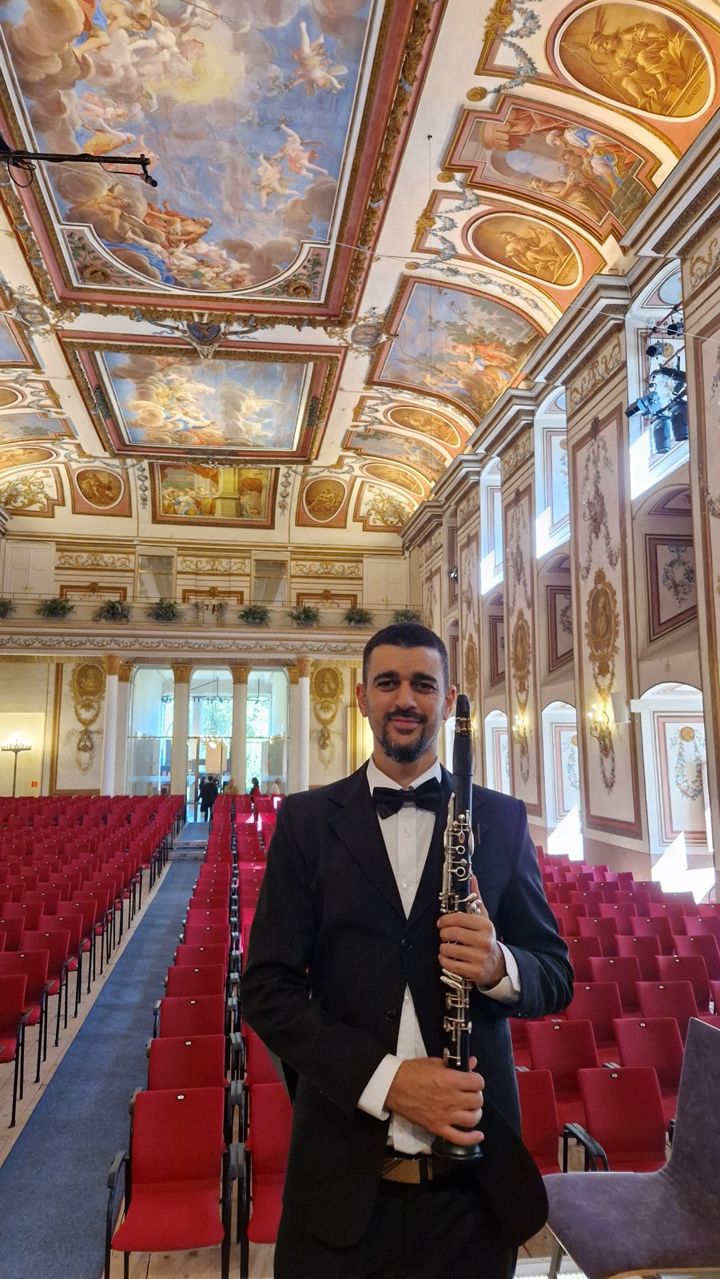
I teach one to one on Zoom. Before the first lesson, send me a short recording and tell me what you're working on. That way we start from where you really are.
Preparing for an audition? We go through the list excerpt by excerpt, then run it as a mock audition, the way a panel hears it.
In my lessons we work seriously on every detail, without pressure. If something doesn't come out, we break it down one more step.
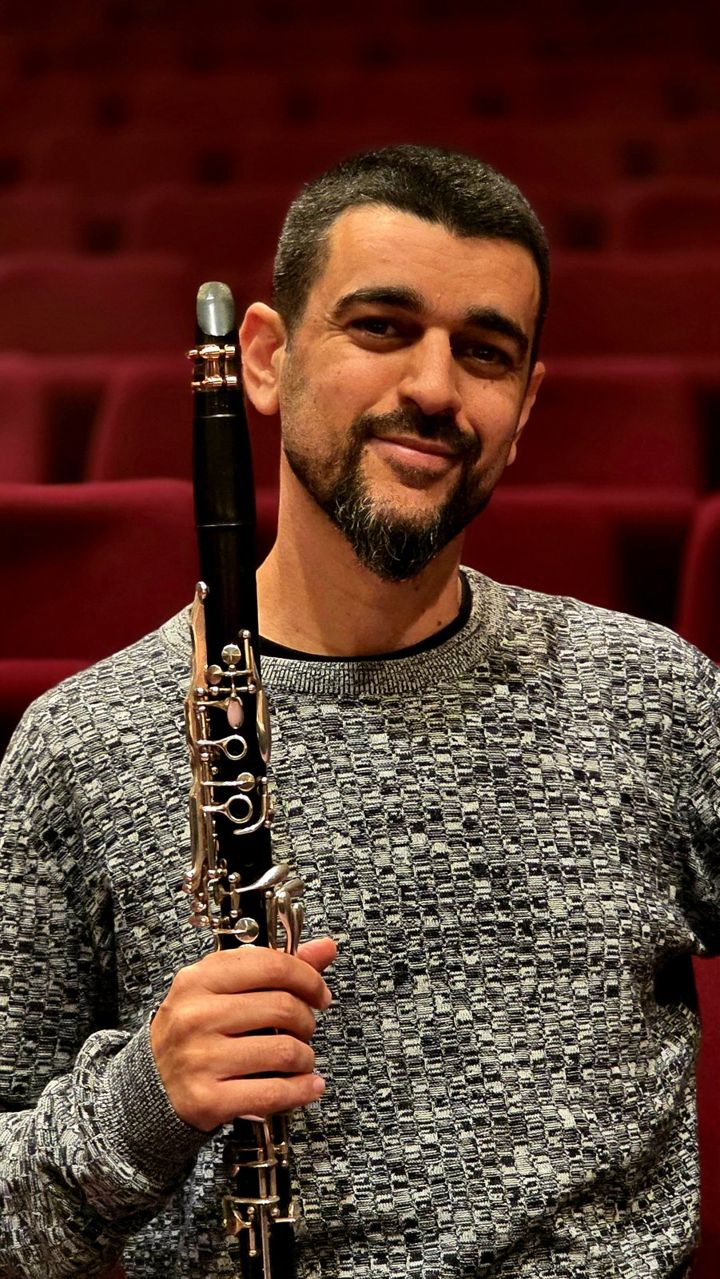
When I came into contemporary music, I wasn't sure I knew what I was doing there. Today I teach what I learned on the way: how to approach a piece that looks impossible, and how to make a technique like multiphonics (several notes at once) a natural part of your playing.
In a master class with me we work seriously on every detail, and without pressure.
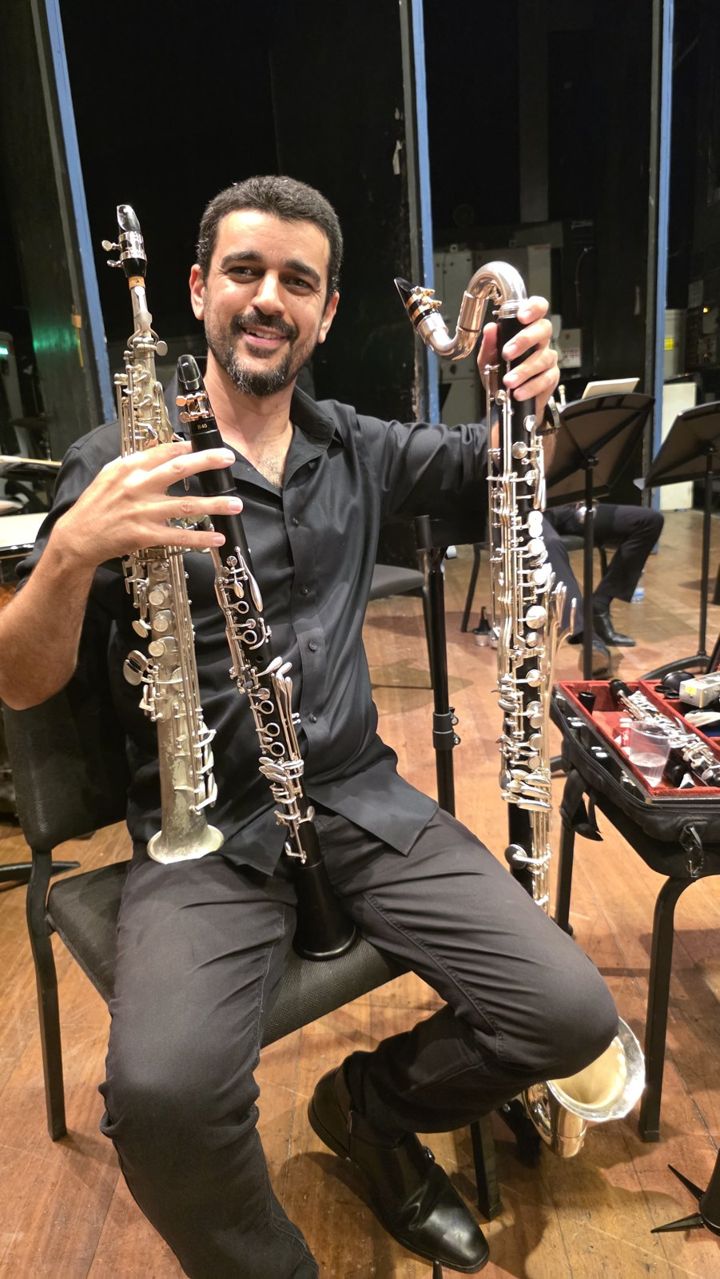
People ask me what I play on. This is the setup I use on stage, in the orchestra and with Meitar.
Recommendations for students, by level and budget: Coming soon
A metronome that follows the tempo map of the piece, bar by bar: tempo changes, meter changes, fermatas. Free, in the browser.
Open the metronomeMy own arrangements and public-domain music, some free for subscribers.
Coming soonI'm Nir Marom, a clarinetist and conductor. I have played with the Jerusalem Symphony Orchestra since 2012, and I'm a soloist with the Meitar Ensemble for contemporary music.
A glissando sounds like magic, but it is built from small steps you can learn. That's how I teach everything: one clear step, then the next.
If you can already play comfortably across the clarinet's range, yes. Lesson 1 is free, so you can see for yourself before you pay.
For most things, yes. I'll send you the audio settings to use before the first lesson. For the fine details of sound, I also ask for a short recording made on your phone.
Write to me within 3 days of buying and I'll refund you in full.
English or Hebrew, whichever is easier for you.
Write to me with the dates, the level of the players and what you'd like to focus on. I'll reply with a suggested plan.
For lessons, audition prep or a master class, write to me. I answer personally.
Write to me nirmaromclarinet@gmail.com